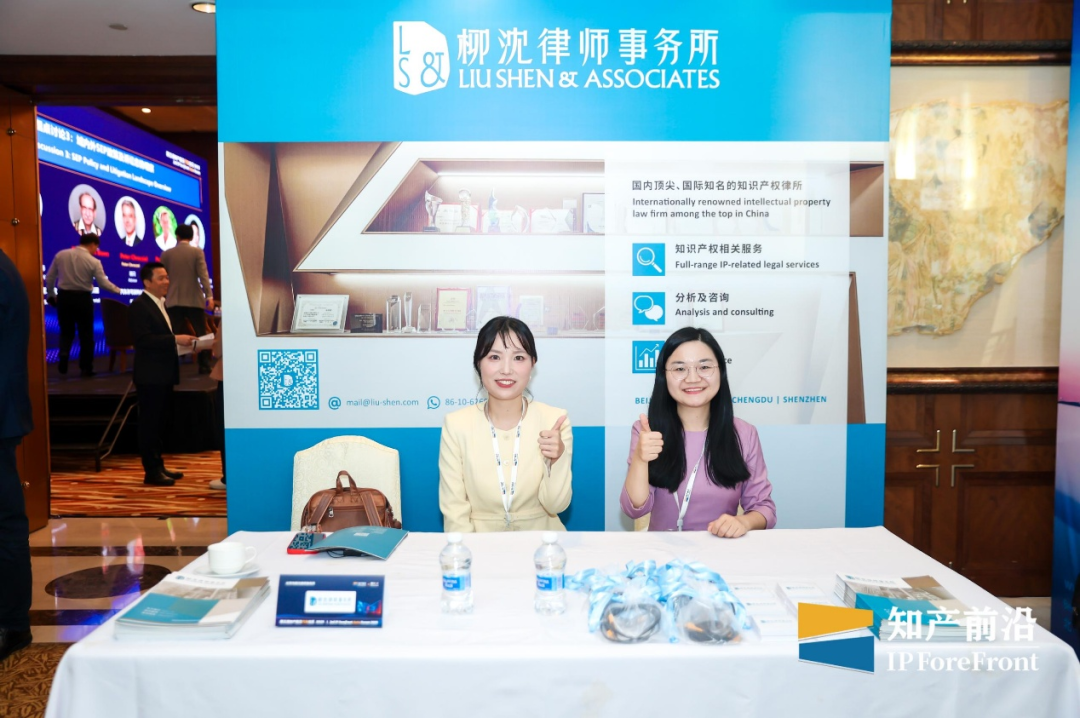
The 3rd Frontier IP Automotive Forum (IFAF 2025), co-hosted by YIP Events and IP Frontier New Media, was successfully held in Shanghai from October 29 to 31, 2025. Centered on the theme Value & Innovation: Reshaping New Landscape of IP and Compliance in the Automotive Industrial Chain, the forum gathered over 300 distinguished participants including IP scholars, in-house IP specialists, heads of authoritative industrial institutions and elite legal practitioners from home and abroad. Participants jointly analyzed challenges and opportunities within the automotive IP ecosystem under the new landscape, aiming to drive coordinated industrial development and innovation.
In-depth exchanges were conducted on hot-button topics covering SEP licensing and litigation trends in the automotive sector, global patent portfolio deployment and risk mitigation strategies for power batteries, trade secret administration as well as anti-monopoly compliance. ZHANG Xiang and YANG Qian, Partners of Liu Shen, were invited to attend the event. They served as keynote speakers, roundtable panelists and moderators respectively, offering professional insights into core industrial issues and steering industry-wide dialogues, which won widespread acclaim among all attendees.
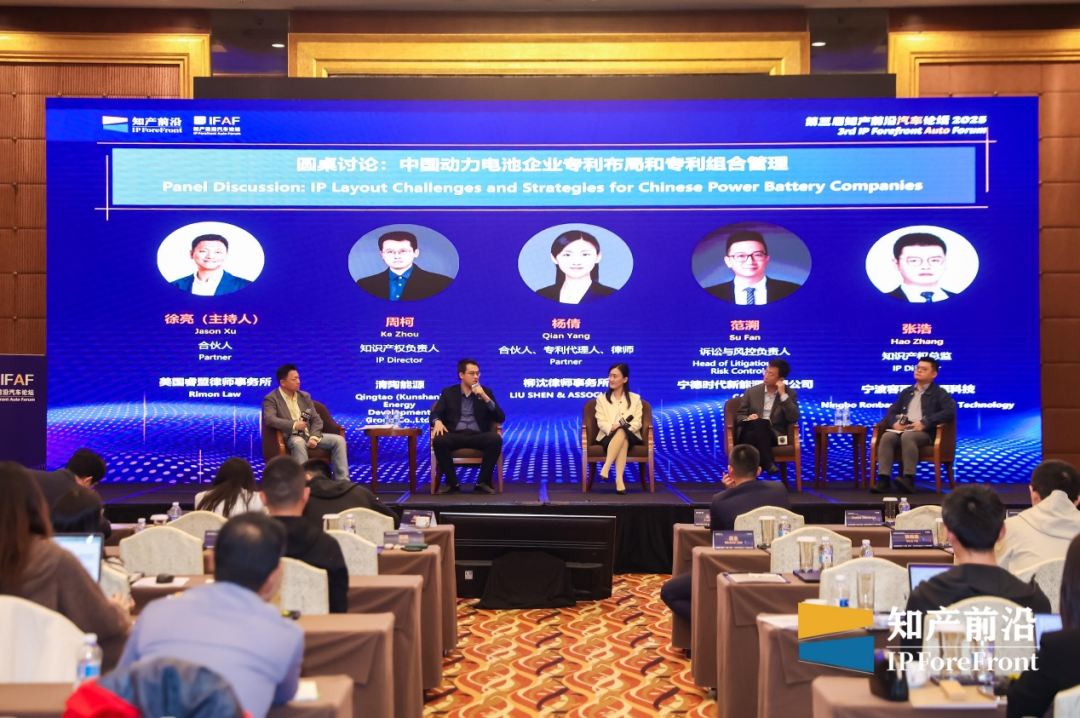
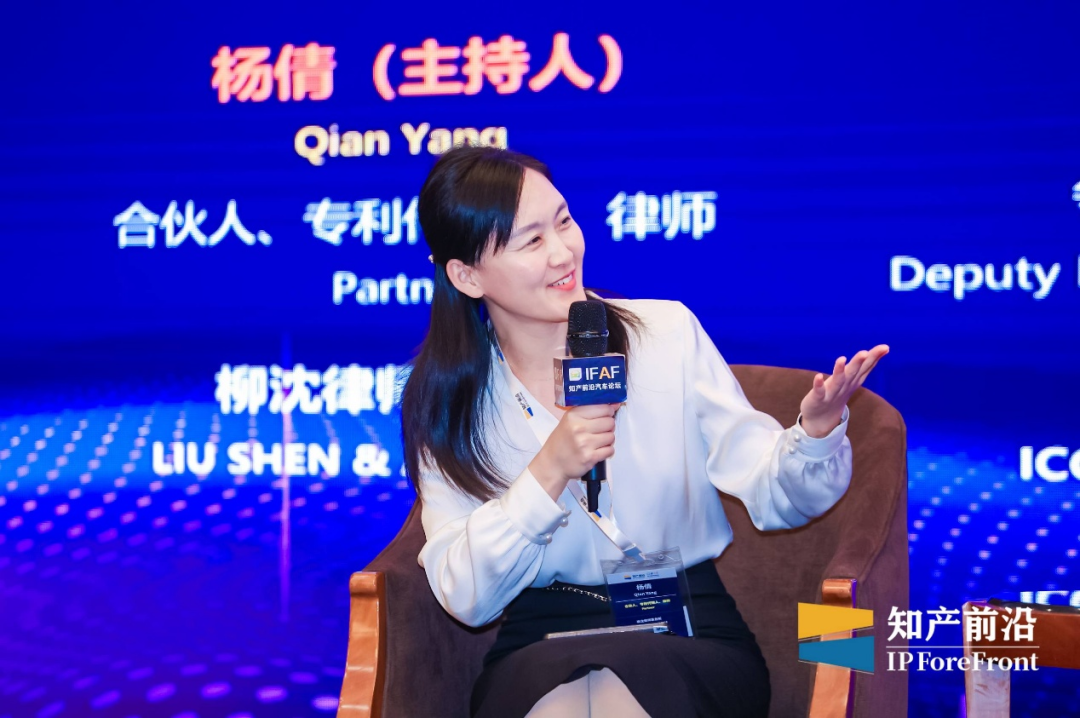
On the morning of the first day, Partner YANG Qian joined the roundtable discussion themed Patent Layout and Portfolio Management of Chinese Power Battery Enterprises. She engaged in in-depth exchanges with senior IP executives from leading battery enterprises, including Mr. ZHOU Ke from Qingtao Energy, Mr. ZHANG Hao from Ningbo Ronbay New Energy Technology and Mr. FAN Su from CATL. Their discussions focused on prevailing challenges facing power battery manufacturers amid the new global trade landscape, differentiated risks and target market selection for overseas expansion, SEP-related risks amid accelerated technical standardization of lithium-ion batteries, as well as macro and micro-level IP strategies for global market expansion. From the perspectives of offensive and defensive patent deployment, Attorney Yang systematically elaborated sound IP layout strategies for battery enterprises, and shared professional insights on overseas risk prevention and the formation of SEPs in the power battery industry.
In the afternoon, Ms. Yang presided over another roundtable entitled Global Development of Automotive SEPs: Dispute Resolution, In-depth Collaboration, Bridge Differences and Seek Consensus. She exchanged views with eminent guests including Ms. HE Weirong, North Asia Deputy Director for Dispute Resolution at ICC, Attorney WU Danlei from Fangda Partners, Vice President YAO Bingbing of Jiangsu IP Protection and Development Research Institute, and Mr. JIAN Quan, Vice President of Avanci China, to review the latest updates of automotive SEP licensing practices, analyze mainstream dispute resolution mechanisms and cutting-edge legal issues, and look into ways to foster a brand-new IP ecosystem for intelligent connected vehicles.
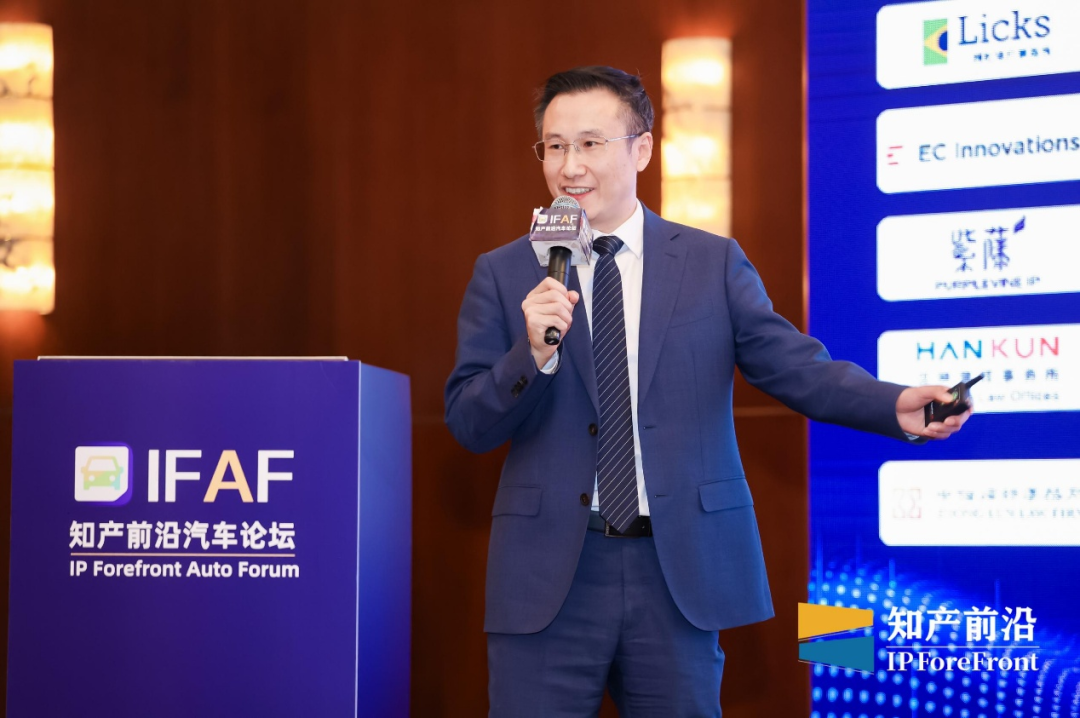
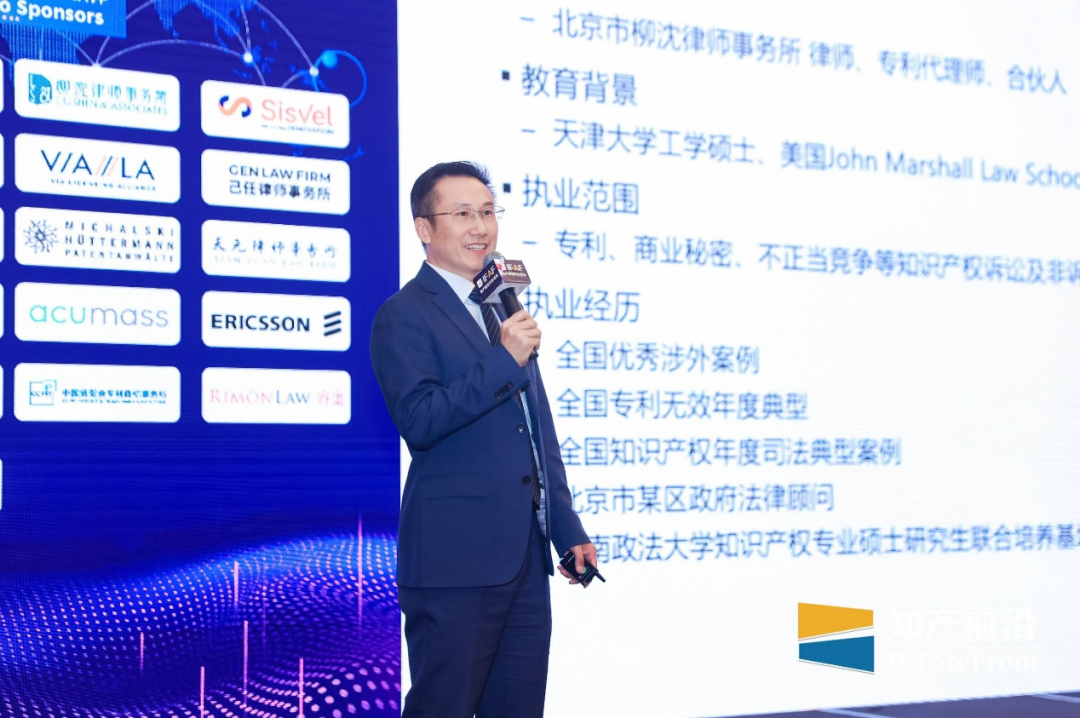
On the second day of the forum, Partner ZHANG Xiang delivered a keynote speech titled Judicial Protection Practices of Trade Secrets in the Automotive Industry. His sharing was structured into three major sections: overview of automotive trade secret litigation cases, big data analysis on judicial protection practices, and common misconceptions in risk investigation.
In the case overview section, Mr. Zhang sorted out trade secret disputes between upstream and downstream enterprises as well as between traditional and emerging market competitors by reviewing landmark litigations in recent years. He pointed out prominent judicial trends featuring diversified liability affirmation, refined damage compensation adjudication and stringent law enforcement in trade secret-related cases. In the big data analysis part, he analyzed the win-lose ratio of plaintiffs and defendants based on first-instance and second-instance judgment data, and summarized core judicial characteristics by studying compensation amount ranges, proportion of valid defenses and the impact of official evidence collection on case outcomes. Targeting common practical pitfalls including self-invalidated patents, technical renovation and supplementary R&D evidence submission, he conducted detailed analysis combined with guiding cases issued by the Supreme People’s Court, and put forward targeted precautionary suggestions and standardized compliance guidelines for enterprises.