On the afternoon of April 17, ahead of World Intellectual Property Day, Liu Shen officially released the practical guide Intellectual Property Protection for Artificial Intelligence (2026 Edition), and hosted a themed seminar at its Beijing office entitled Shaping the Future: Multi-dimensional Protection and Risk Response Mechanisms for AI-related IP Rights. Nearly 30 distinguished guests from enterprises, research institutions and IP service industries gathered at the event to conduct in-depth discussions on cutting-edge legal issues concerning AI in patent, copyright, trademark, data compliance and dispute resolution fields.
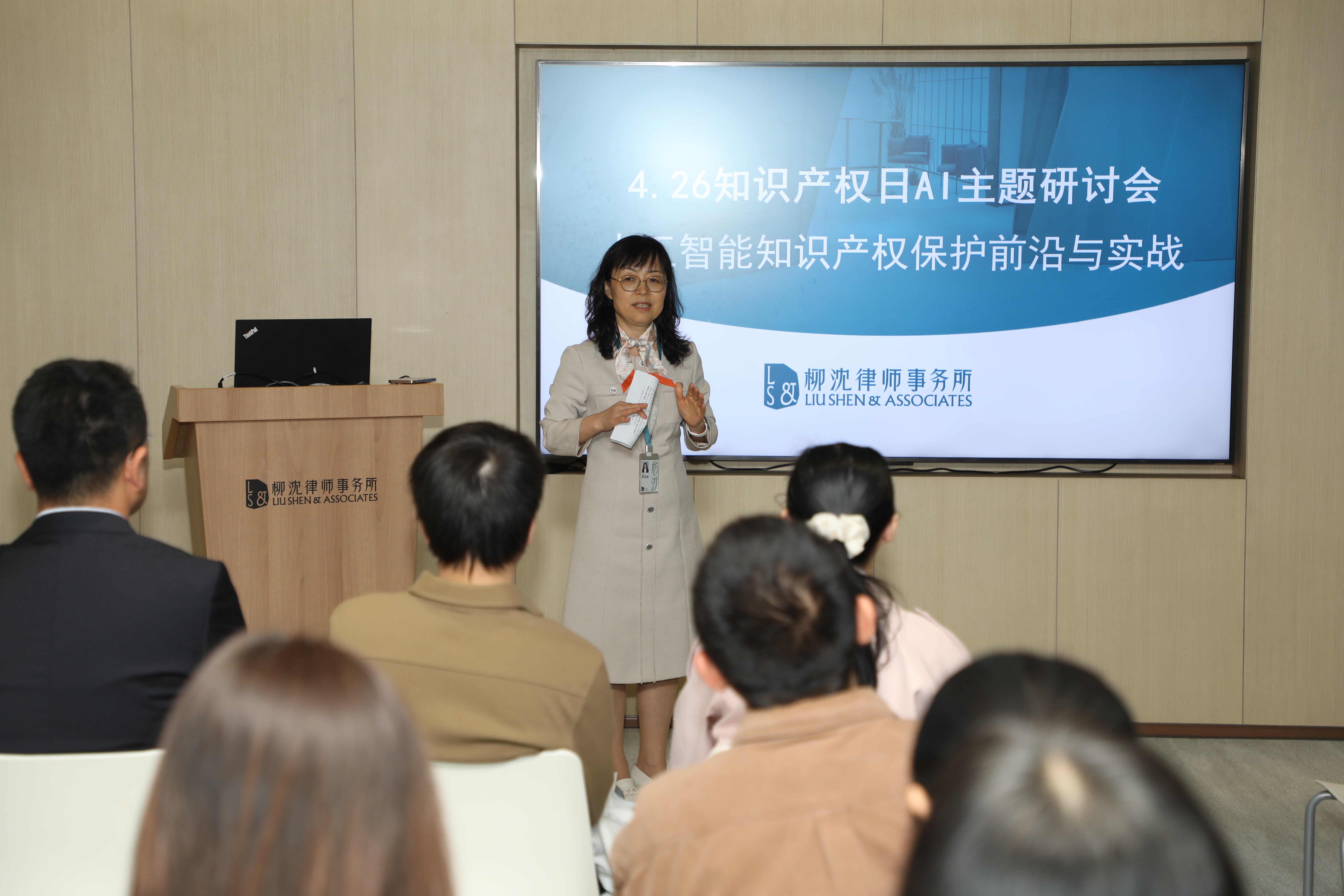
Systematic Interpretation of AI IP Protection from Multi-dimensional Perspectives
In her opening remarks, SHAO Yali, Deputy Director of the firm, reviewed Liu Shen’s strategic layout in AI-related legal services. She pointed out that with the large-scale application of AIGC and large language models, intellectual property protection is evolving from traditional modes towards dynamic governance and cross-border collaborative regulation.
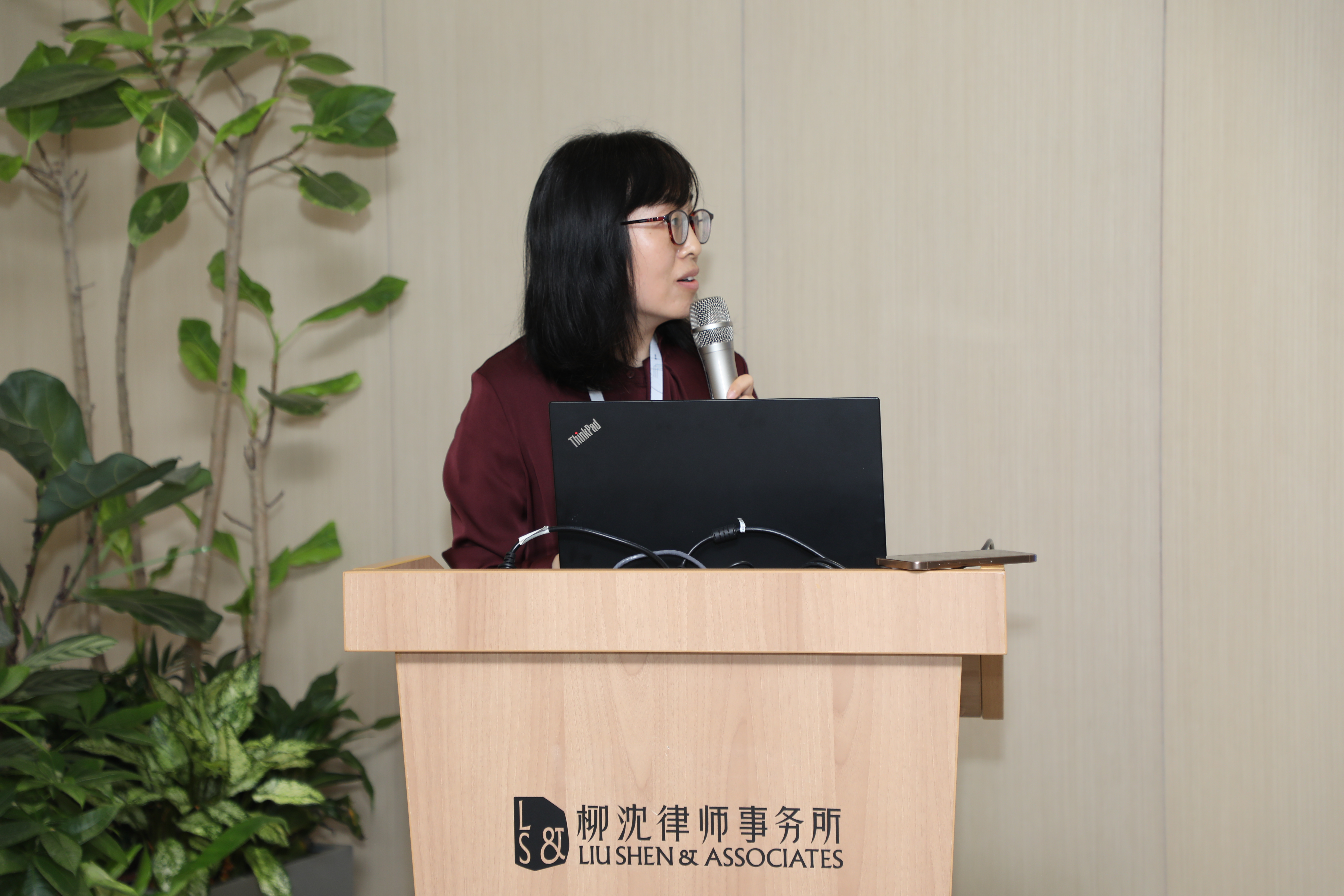
Attorney YUE Yongjuan delivered a speech on Multi-dimensional AI Protection Strategies and Global Patent Landscape. She sorted out diversified protection approaches covering patents, copyrights, trademarks and trade secrets, and analyzed the global competition pattern and core technical focuses of AI patents based on five-year statistical data across major economies.
Focusing on domestic practices, Attorney SHAO Yali comprehensively illustrated core essentials of AI patent protection in China, including qualification of inventors, patent-eligible subject matters, assessment standards for novelty and inventiveness, as well as drafting specifications for patent claims and specifications, delivering clear operational guidelines for domestic corporate IP deployment.
Comparative Analysis of IP5 Jurisdictions to Facilitate Global Layout
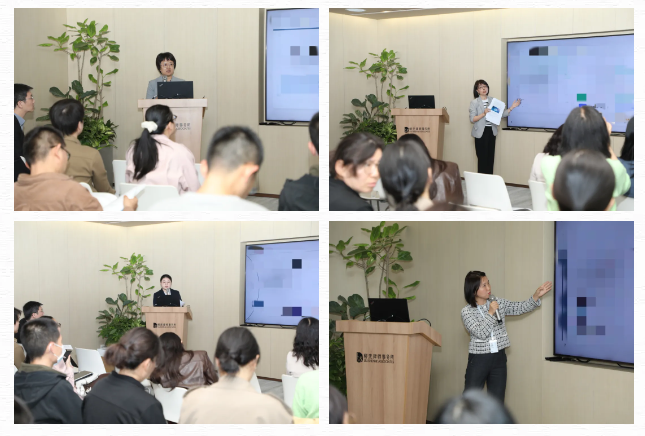
在由合伙人陈金林律师主持的圆桌讨论“IP5法域的人工智能专利保护比较研究”中,金玉洁、张婧、刘星宇、金明顺分别就美国、欧洲、日本、韩国的AI专利保护制度与审查实践进行了系统介绍,并与中国实务进行了横向比较。与会嘉宾表示,这一环节为企业进行跨国专利布局与应对侵权风险提供了宝贵的法域策略参考。
著作权与商标:AI带来的新挑战
Hosted by Partner CHEN Jinlin, the roundtable themed Comparative Research on AI Patent Protection Mechanisms among IP5 Jurisdictions was well-received. JIN Yujie, ZHANG Jing, LIU Xingyu and JIN Mingshun respectively elaborated on AI patent regimes and examination practices in the United States, Europe, Japan and South Korea, and made horizontal comparisons with Chinese judicial and administrative practices. This session provided valuable jurisdictional strategic references for enterprises conducting cross-border patent deployment and coping with potential infringement risks.
New Challenges Brought by AI to Copyright and Trademark Protection
Attorney LI Wenjie shared insights on Copyright Protection of AI: Legal Boundaries of AIGC Works and Large Model Training. From a Sino-US comparative law perspective, she expounded on the copyright eligibility of AIGC outputs, practical rules for copyright registration, as well as copyright infringement risks and compliance limits in large model training scenarios, sparking extensive in-depth discussions.
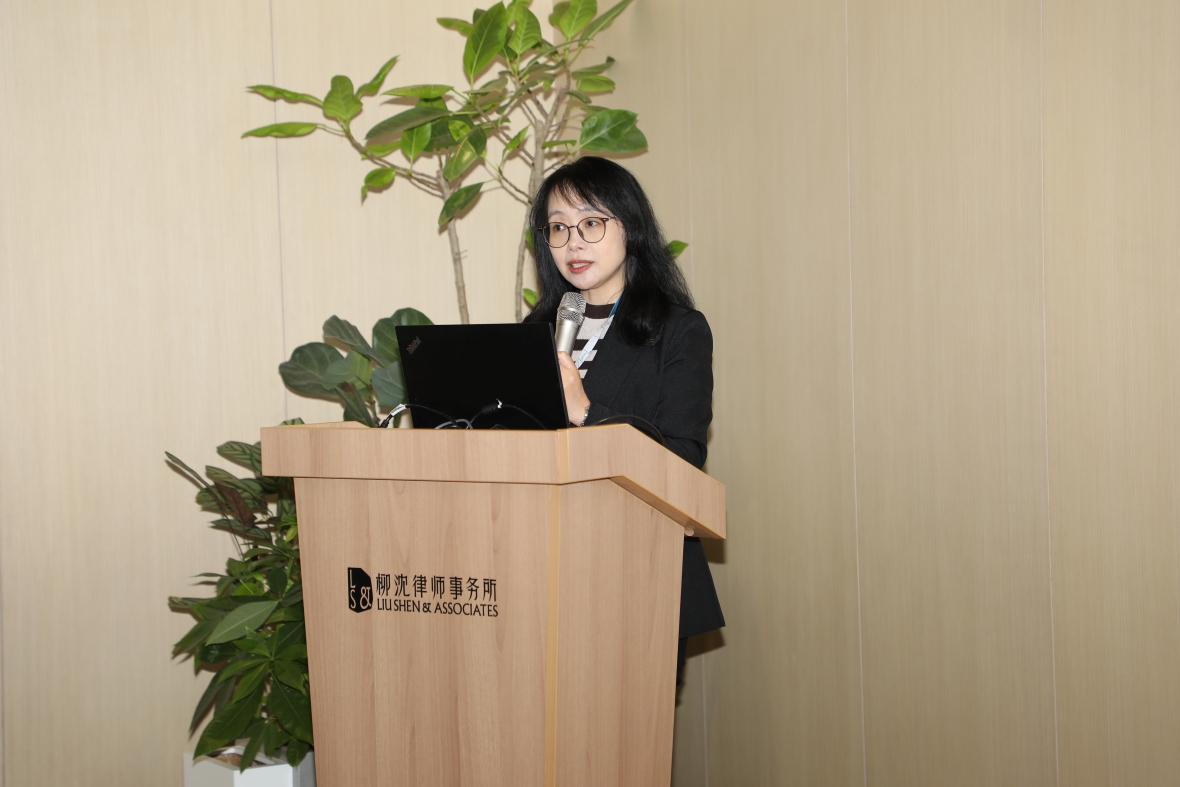
Attorney YUAN Yuan focused on Dynamic Layout and Cross-border Planning for AI Trademark Protection. She analyzed practical difficulties and industry evolution trends in this field, and put forward holistic planning ideas for dynamic deployment and transnational protection based on multi-country studies, helping enterprises build more resilient trademark protection systems.
Dispute Resolution, Data Compliance & Ethics: Establishing a Full-cycle Risk Control System
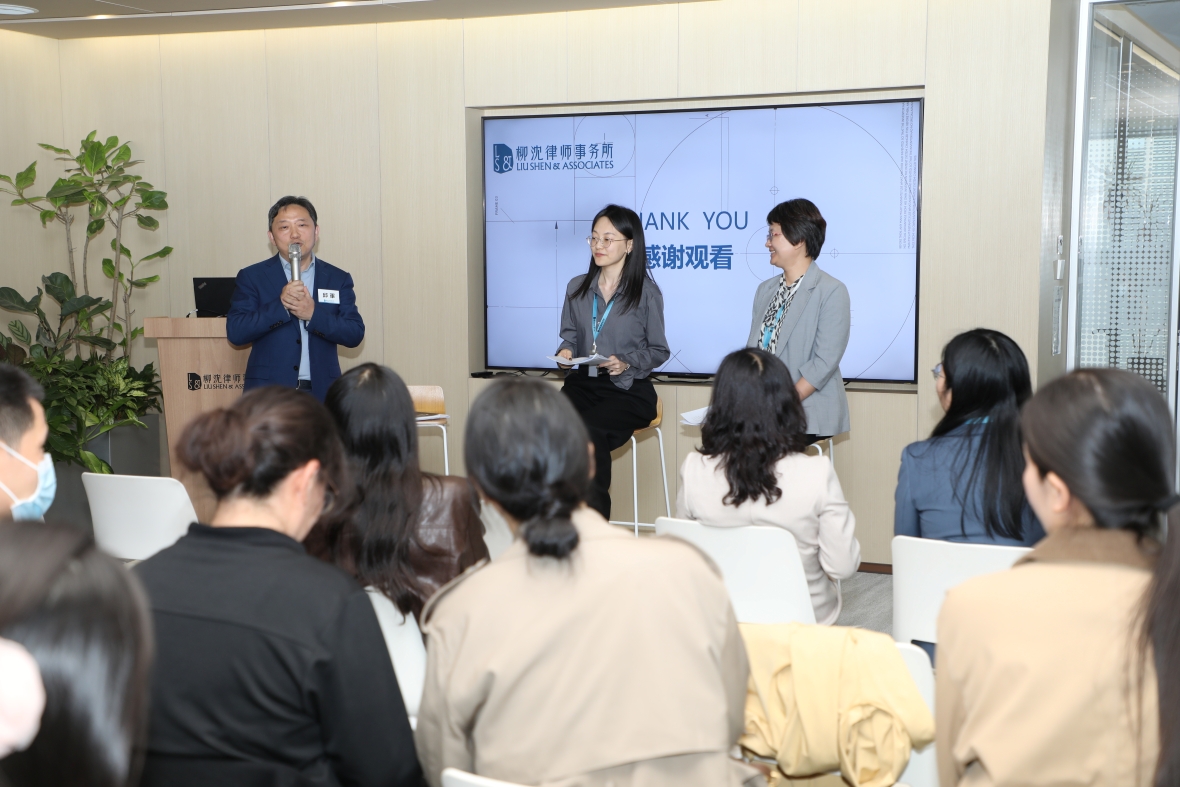
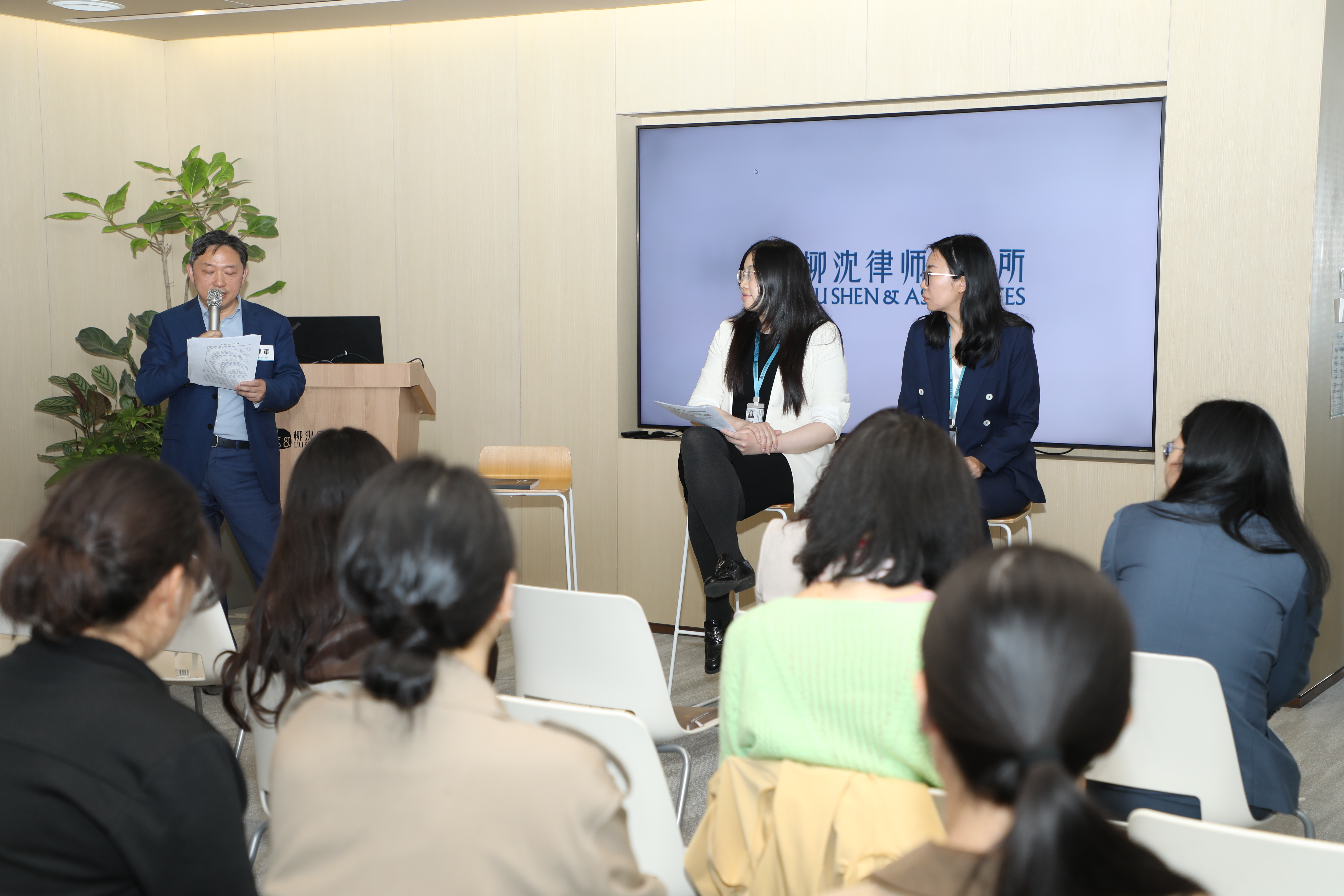
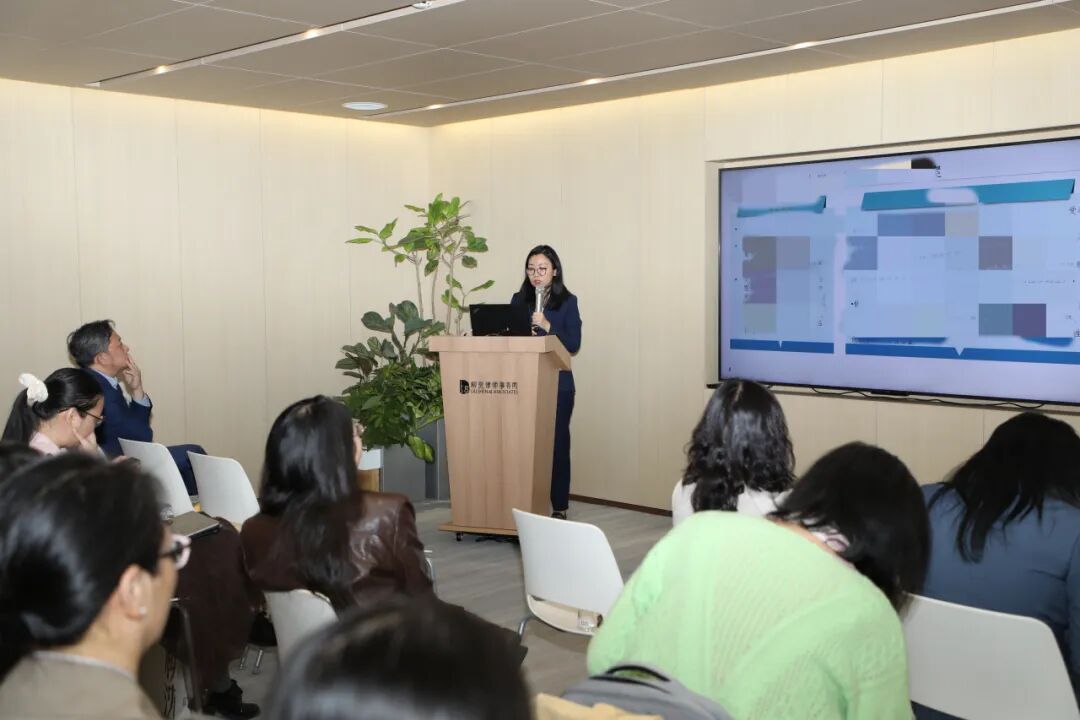
Chaired by Partner QIU Jun, the second roundtable centered on AI-related Dispute Resolution, Data Compliance and Ethical Governance. JIN Yujie shared judicial practices over AI patent and trade secret disputes; LIU Jiaxin analyzed core difficulties and coping strategies in trade secret protection; LI Wenjie discussed legal liabilities and ethical boundaries of AI-generated content from both copyright and moral perspectives; WU Hongyu interpreted regulatory requirements for cross-border data transfer and risk management rules in AI data processing activities.
In the final interactive Q&A session, participants exchanged in-depth views with speakers on practical concerns such as legitimate sourcing of AI training data, cross-border patent layout strategies and compliance norms for large model training, achieving fruitful communication outcomes.
Against the backdrop that artificial intelligence is reshaping all industries, profound transformations are taking place across the IP sector. It has become an inevitable trend to strengthen professional legal service capabilities targeting frontier AI technologies.
Liu Shen will continuously keep track of legal updates in AI and other emerging technological fields, synchronize intellectual property services with technological innovation progress, and deliver forward-looking and practice-oriented legal support to all clients.