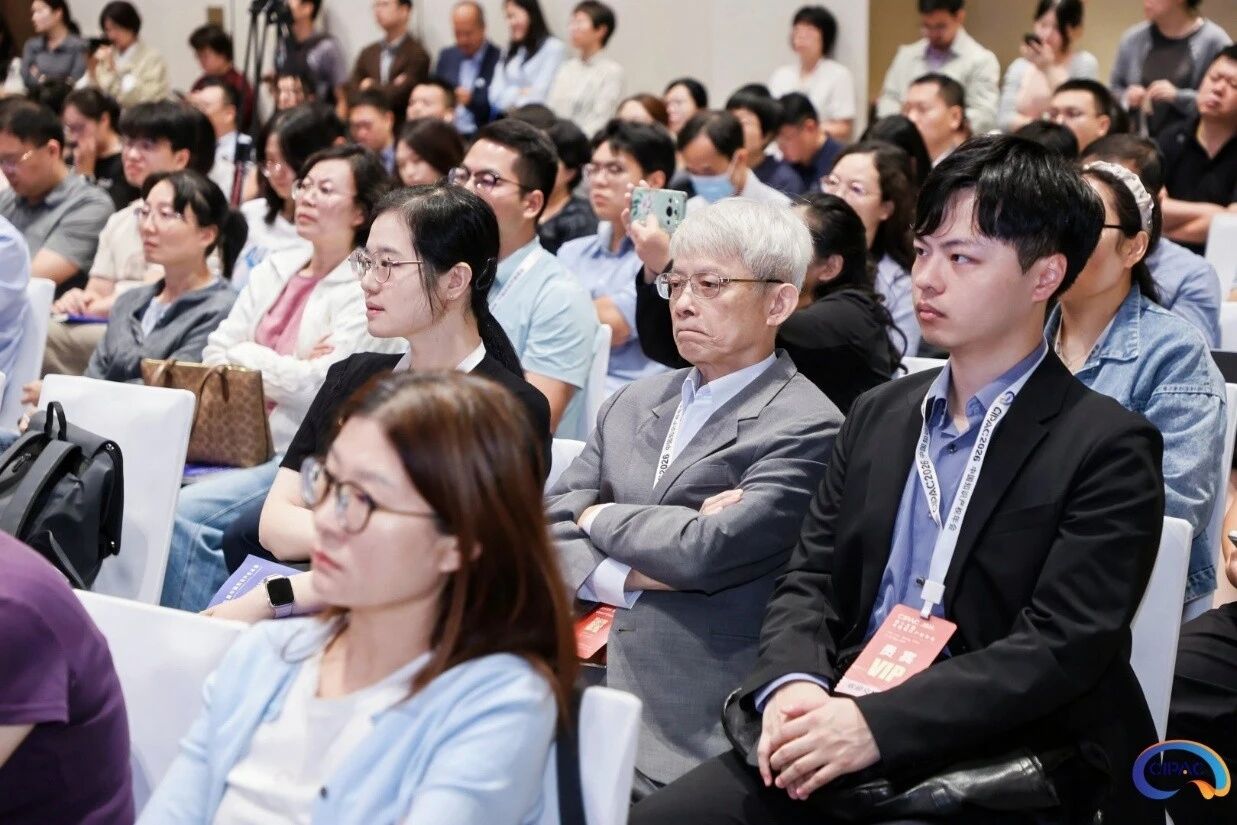
On the morning of September 9, 2026, Liu Shen & Associates hosted a special session at the 15th China Intellectual Property Annual Conference (CIPAC), held at the China National Convention Center Phase II in Beijing. Marking the launch of the new book series, Patent Practice Series: From Fundamentals to Advanced, the session focused on key challenges and emerging issues in intellectual property protection during China's 15th Five-Year Plan period (2026–2030). Discussions covered the evolution of China's IP system, advanced patent practice, emerging developments in AI-related patents, judicial approaches to standard-essential patent (SEP) disputes, IP protection for emerging technologies, and global patent portfolio strategies for businesses.
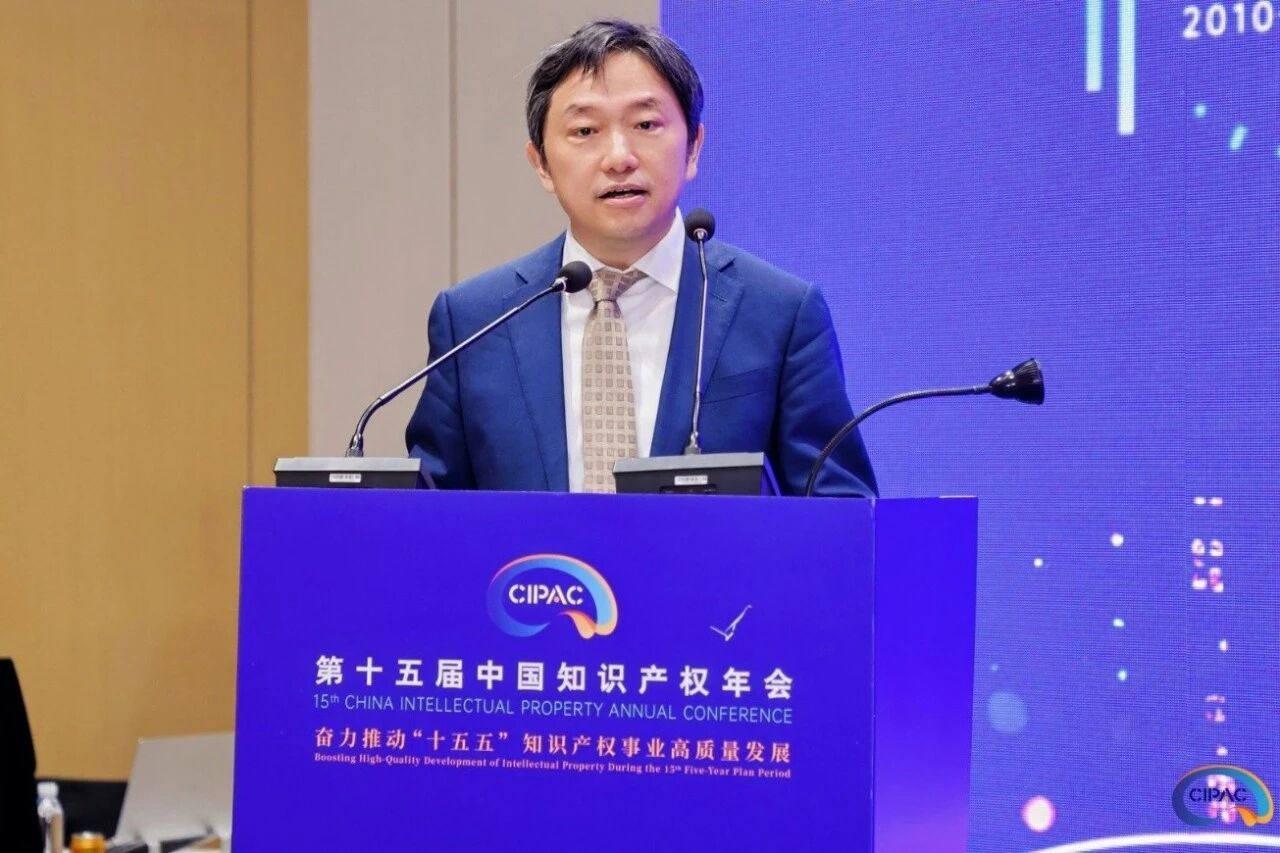
The session was moderated by QIU Jun, Partner at Liu Shen. In his opening remarks, QIU noted that the event offered a comprehensive dialogue spanning legal theory, patent examination standards, judicial practice and practical legal strategies, while providing a platform for professional exchanges on technological innovation and international business expansion.
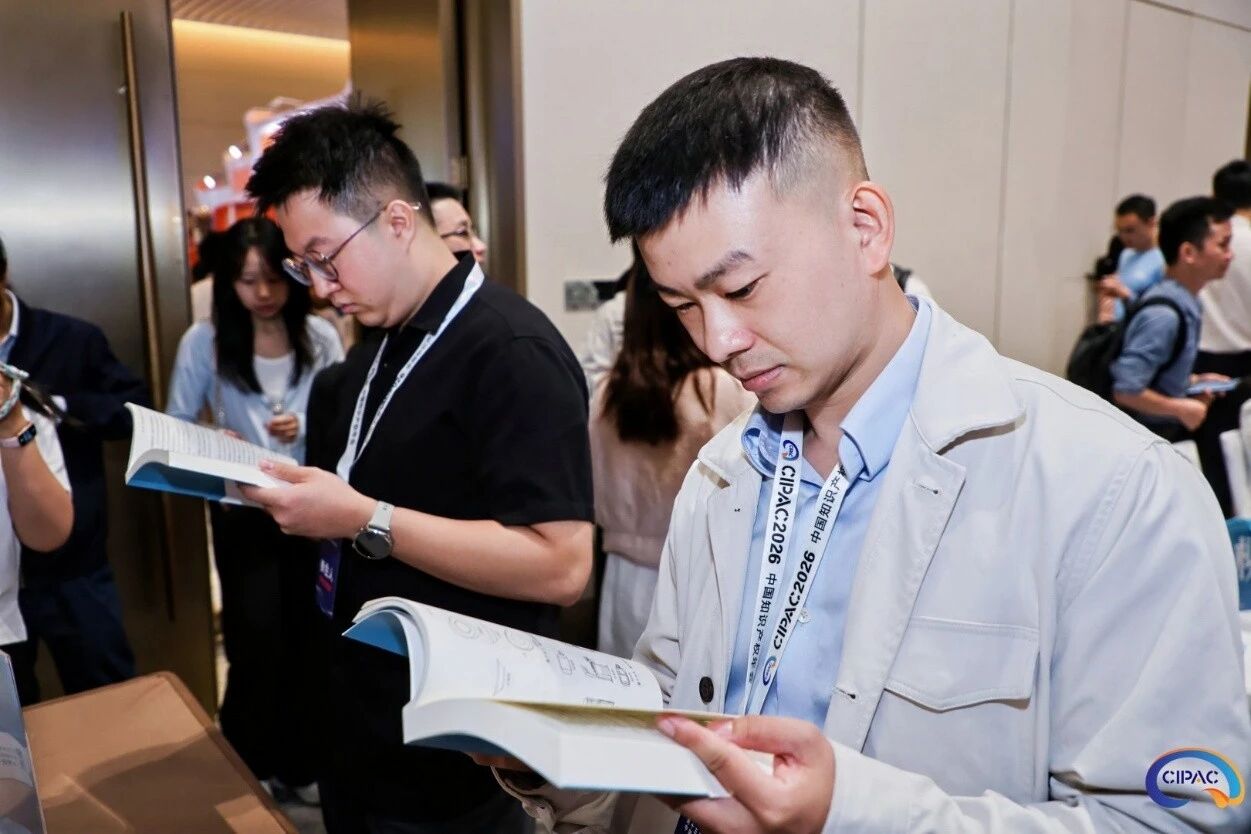
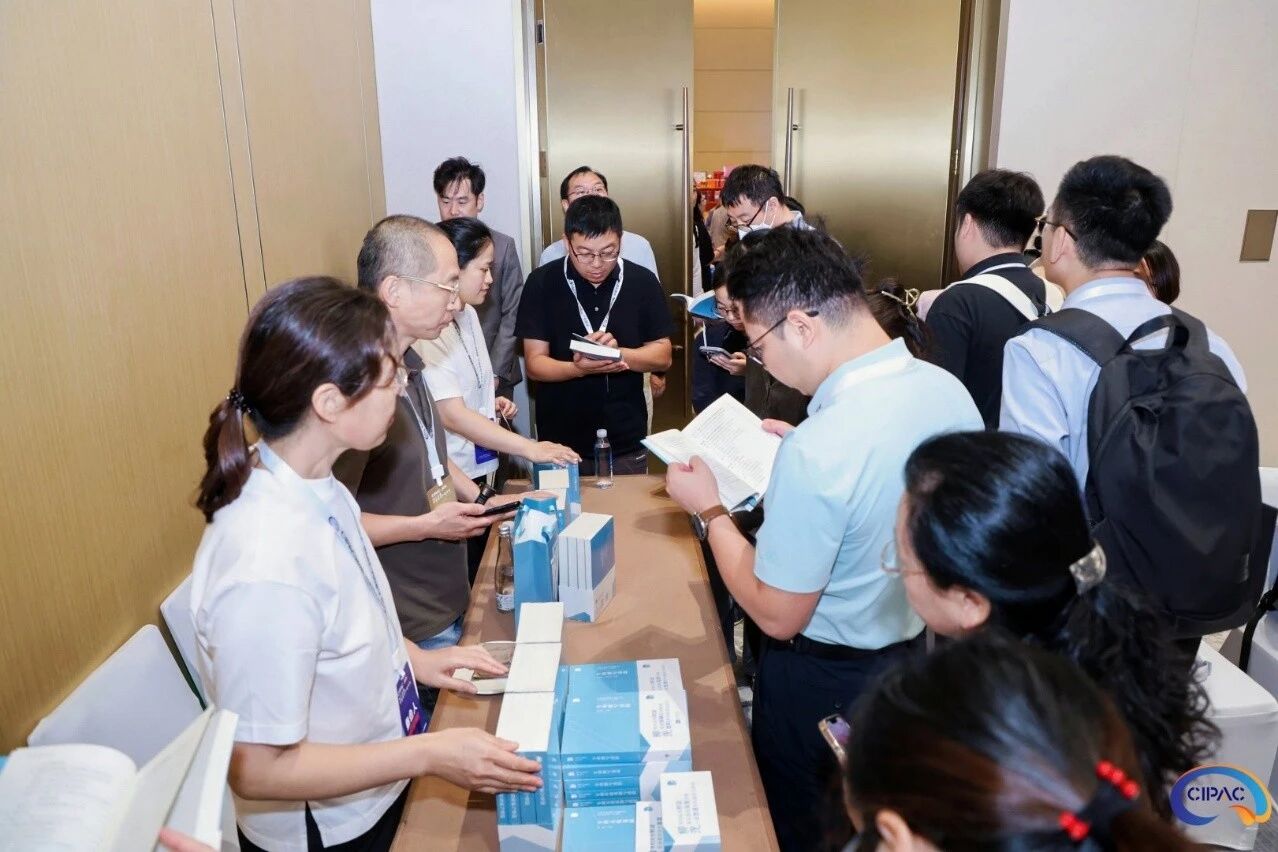
Book Launch: Sharing and Preserving Practical Expertise
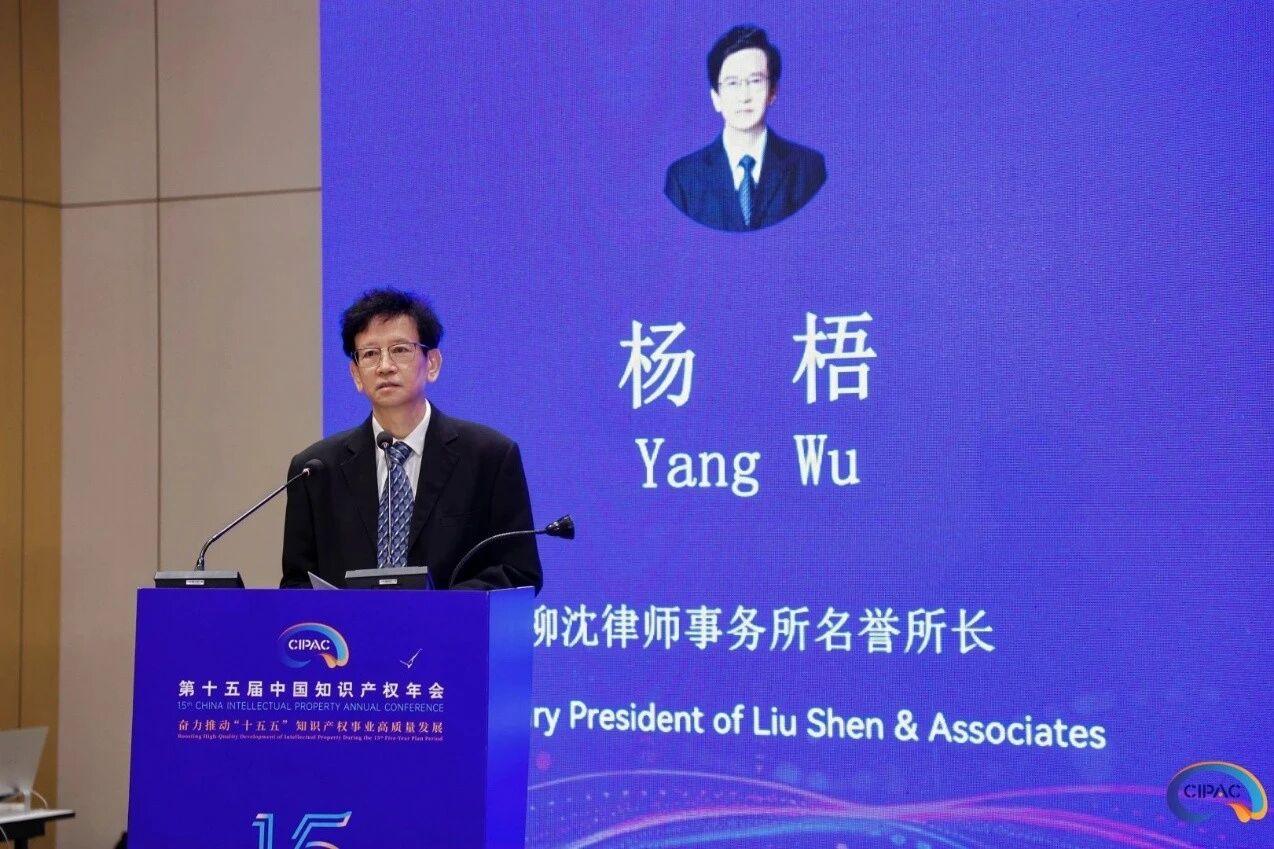
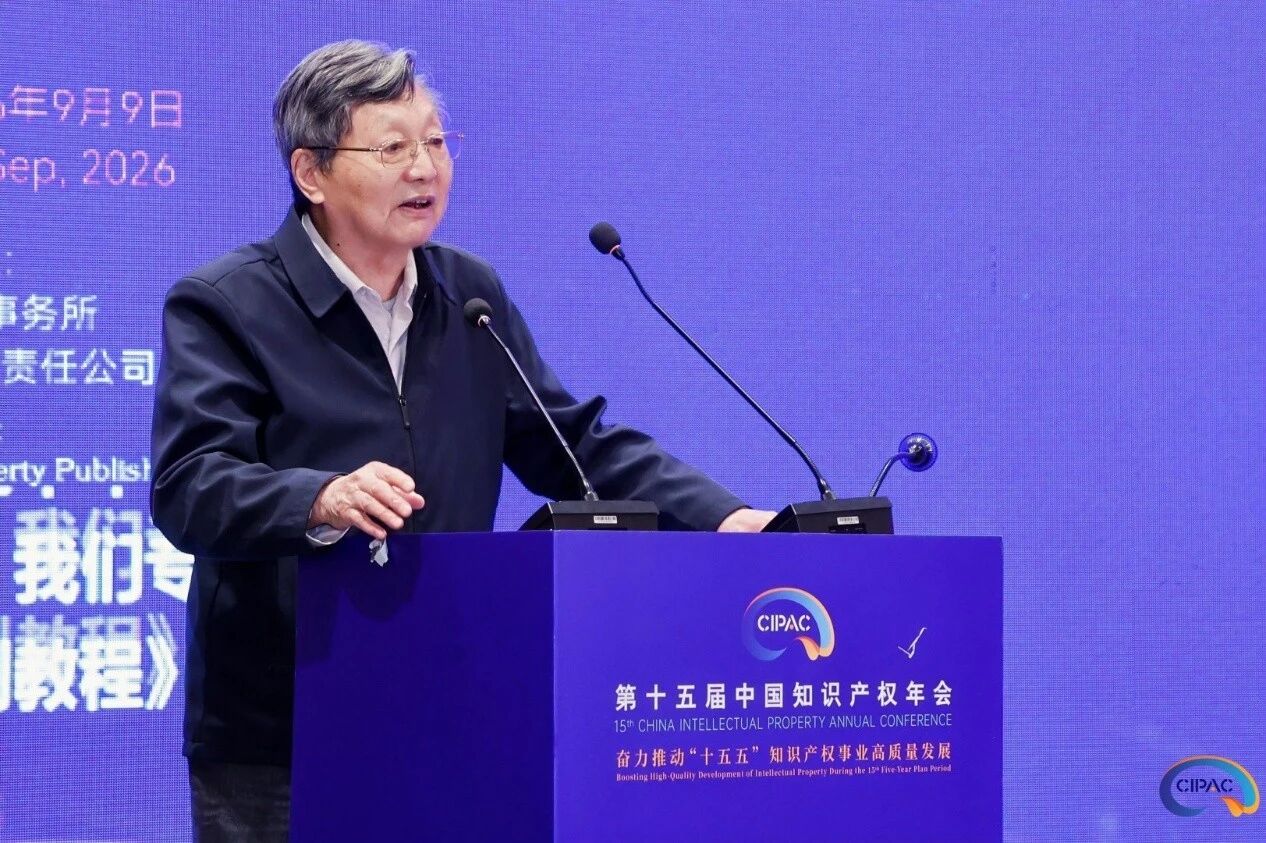
YANG Wu, Honorary President of Liu Shen, delivered remarks at the book launch ceremony. YANG noted that 2026 marks the beginning of China's 15th Five-Year Plan period. In July, the State Council issued the 15th Five-Year Plan for Intellectual Property Protection and Utilization, which identifies the high-quality development of the IP sector as a central objective and calls for comprehensive improvements in IP creation, utilization, protection, management and services. He emphasized that intellectual property is a highly practice-oriented field in which complex cases rarely lend themselves to straightforward or standardized solutions. The purpose of compiling Patent Practice Series: From Fundamentals to Advanced was therefore to systematically document the knowledge and experience accumulated by Liu Shen over decades of patent prosecution and legal practice, providing readers with a structured framework for analyzing and resolving practical issues.
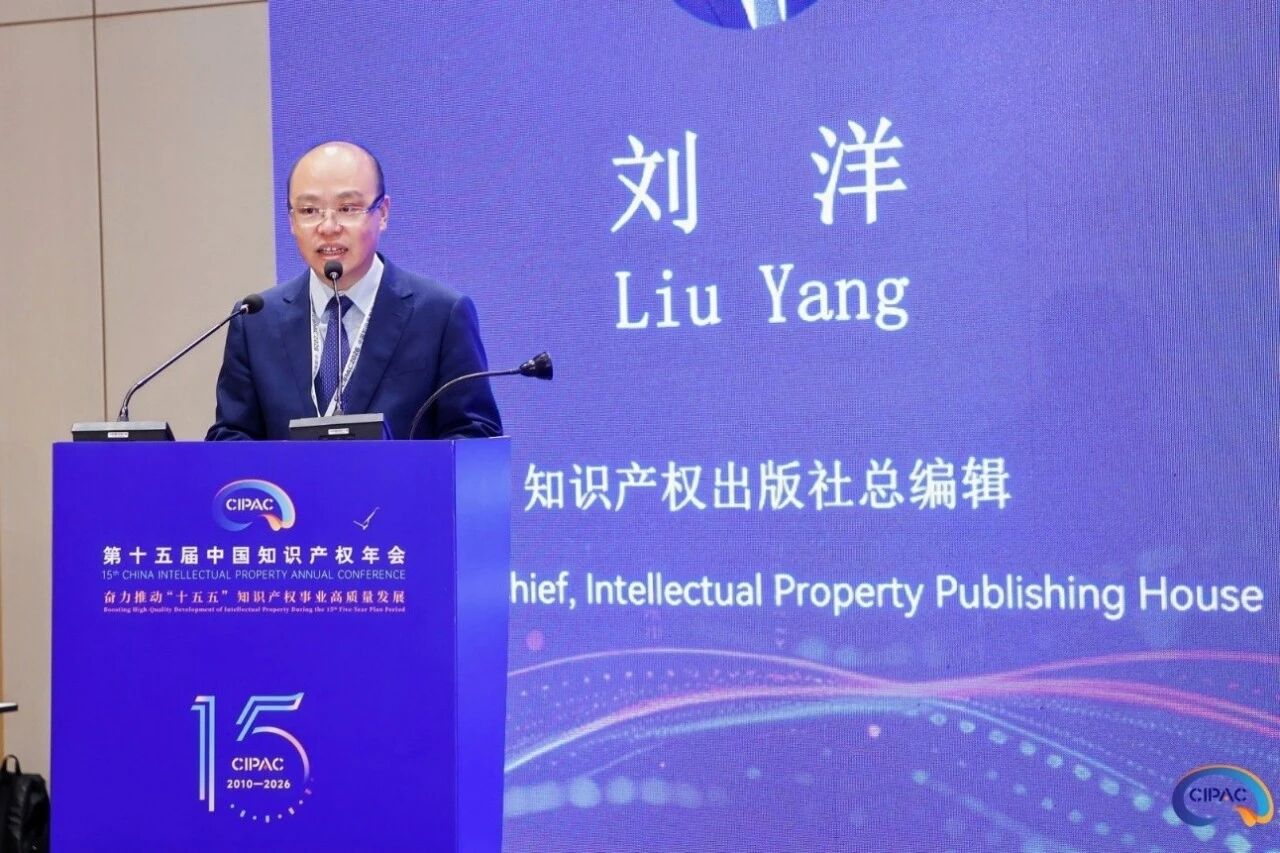
LIU Yang, Editor-in-Chief of Intellectual Property Publishing House, introduced the development of the book series. He explained that the project had taken nearly four years from initial planning to publication, involving more than 20 rounds of discussions, revisions and refinements. Drawing on the practical experience of over 20 senior patent attorneys and lawyers, the series distills more than three decades of Liu Shen's expertise in patent practice. Combining technical specialization with legal expertise, the series reflects a strong commitment to professional rigor and meticulous craftsmanship. Covering the full lifecycle of patent practice, it systematically examines the essential knowledge, recurring challenges and complex issues encountered in patent prosecution and related legal work.
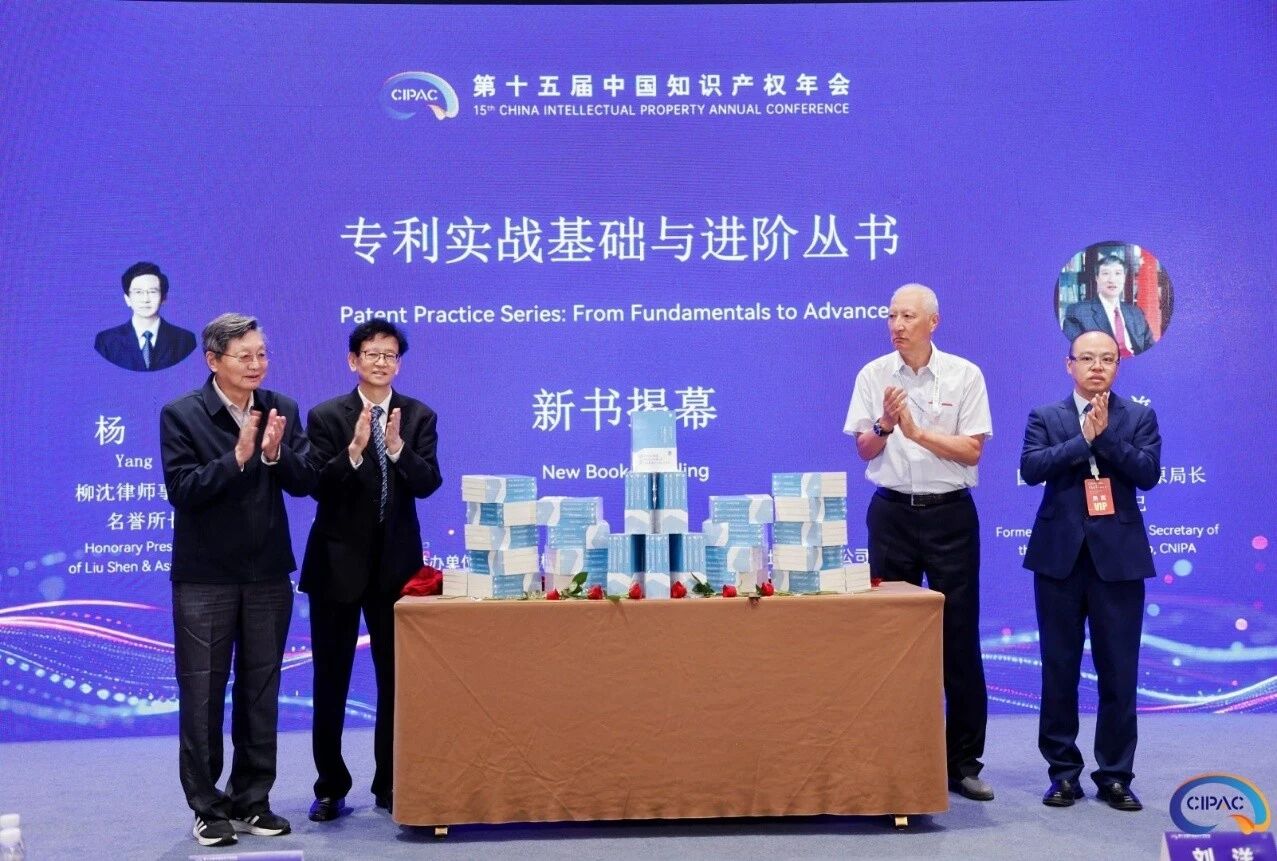
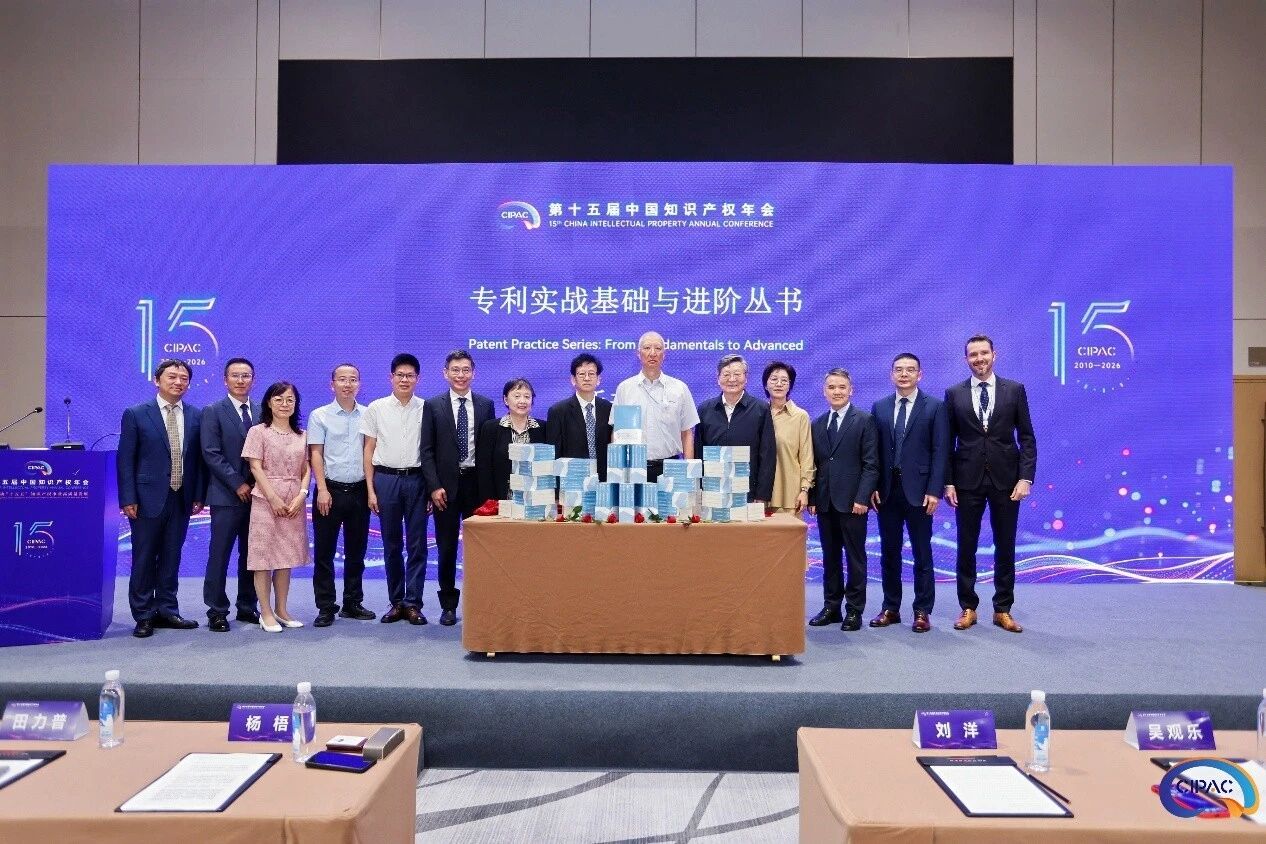
The book series was officially unveiled by TIAN Lipu, former Commissioner and Secretary of the Party Leadership Group of China's national intellectual property authority; YANG Wu, Honorary President of Liu Shen; LIU Yang, Editor-in-Chief of Intellectual Property Publishing House; and WU Guanle, former Director of the Mechanical Inventions Examination Department of the Patent Office under the China National Intellectual Property Administration (CNIPA).
Keynote Presentations: Four Perspectives on the Evolution of IP Law and Practice
The keynote session featured four distinguished experts who shared their insights into the development of China's IP system, advances in patent practice, emerging issues in AI patents, and judicial approaches to SEP licensing disputes.
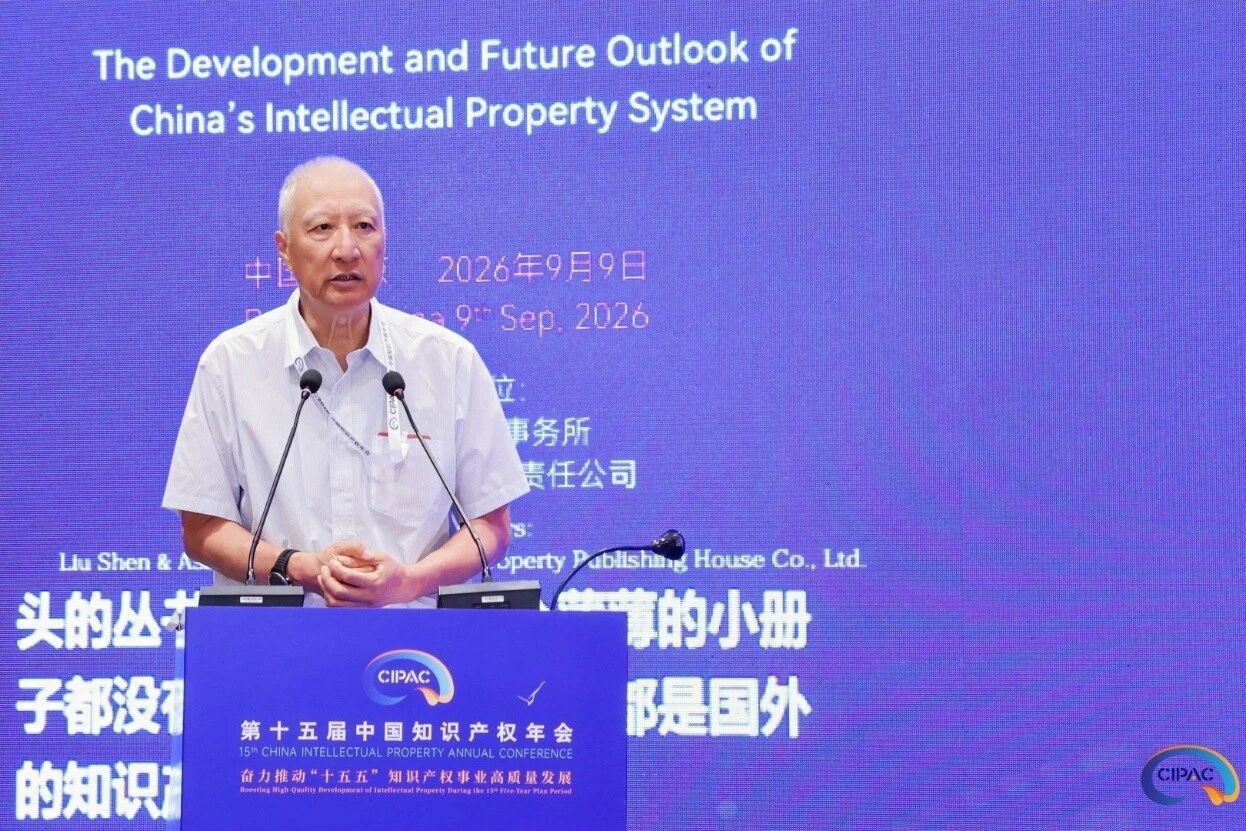
TIAN Lipu, former Commissioner and Secretary of the Party Leadership Group of China's national intellectual property authority, delivered a keynote presentation entitled "The Development and Future Outlook of China's Intellectual Property System". TIAN reviewed key milestones in the development of China's IP framework, tracing its origins from the introduction of technical equipment under the "Four-Three Plan" in the 1970s to China's participation in a World Intellectual Property Organization (WIPO) conference in Geneva in 1973, the proposal to establish a patent system in 1974, and the signing of the China–US Agreement on Cooperation in Science and Technology in 1979. He noted that the report to the 20th National Congress of the Communist Party of China placed particular emphasis on foundational institutions, reflecting the increasingly important role of intellectual property as a fundamental institutional framework supporting national development strategies. Against the backdrop of a new wave of technological transformation, particularly the emergence of AI-driven technologies and new quality productive forces, TIAN observed that the importance of intellectual property institutions would continue to grow.
WU Guanle, former Director of the Mechanical Inventions Examination Department of the CNIPA Patent Office, delivered a presentation entitled "From Patent Agency Practice to Patent Practice: Foundations and Advanced Techniques". WU reflected on the development of the earlier publication Patent Agency Practice, which was first conceived in 2001, published in 2006 and subsequently revised multiple times, before discussing the collaboration with Liu Shen that led to the new series. He observed that the transition from a single reference book to a comprehensive series represents more than an expansion of content. It also reflects the significant evolution of patent practice in China over the past two decades. The new series addresses key stages of the patent lifecycle, including application drafting, filing and examination, patent invalidation proceedings, and patent litigation. It incorporates extensive case studies and practical insights drawn from Liu Shen's long-standing professional experience.
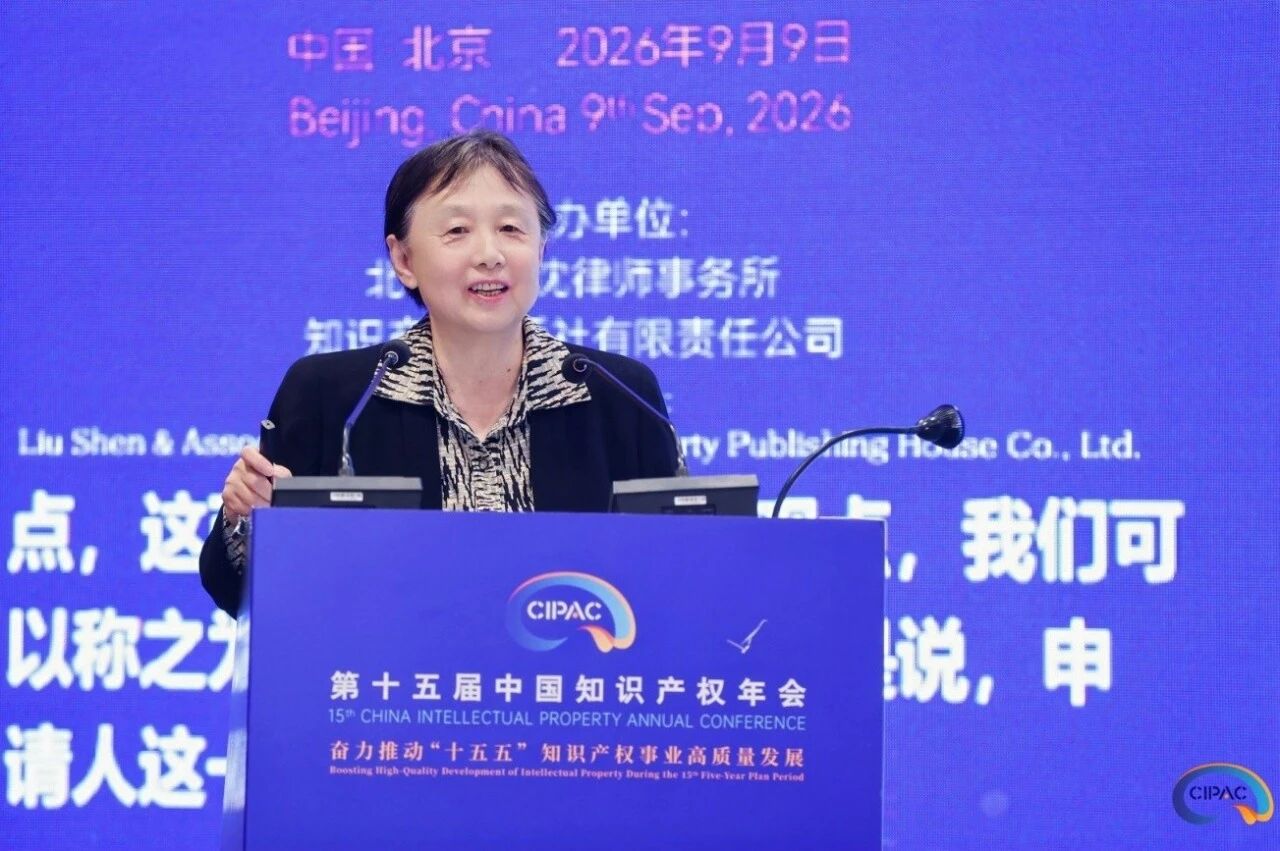
LI Yonghong, former Director of the Electrical Inventions Examination Department of the CNIPA Patent Office and former Deputy Director of the Patent Reexamination Board, delivered a presentation entitled "Perspectives on AI Patents". Beginning with the DABUS cases, LI examined two approaches to AI inventorship: one centered on natural persons and the other on technological contributions. She expressed the view that AI itself should not be recognized as an inventor, while noting that AI-related inventions often involve contributions from multiple individuals, including algorithm developers, model trainers and those responsible for selecting and preparing training data. LI also examined the tension between the black-box characteristics of AI systems, as illustrated by AlphaGo, and the patent law requirement for sufficient disclosure. She emphasized that the principle of granting patent protection in exchange for public disclosure remains fundamental to the patent system. Accordingly, proposals to relax disclosure requirements by “accepting verification of technical results without adequate disclosure” of the underlying methods should be approached with caution.
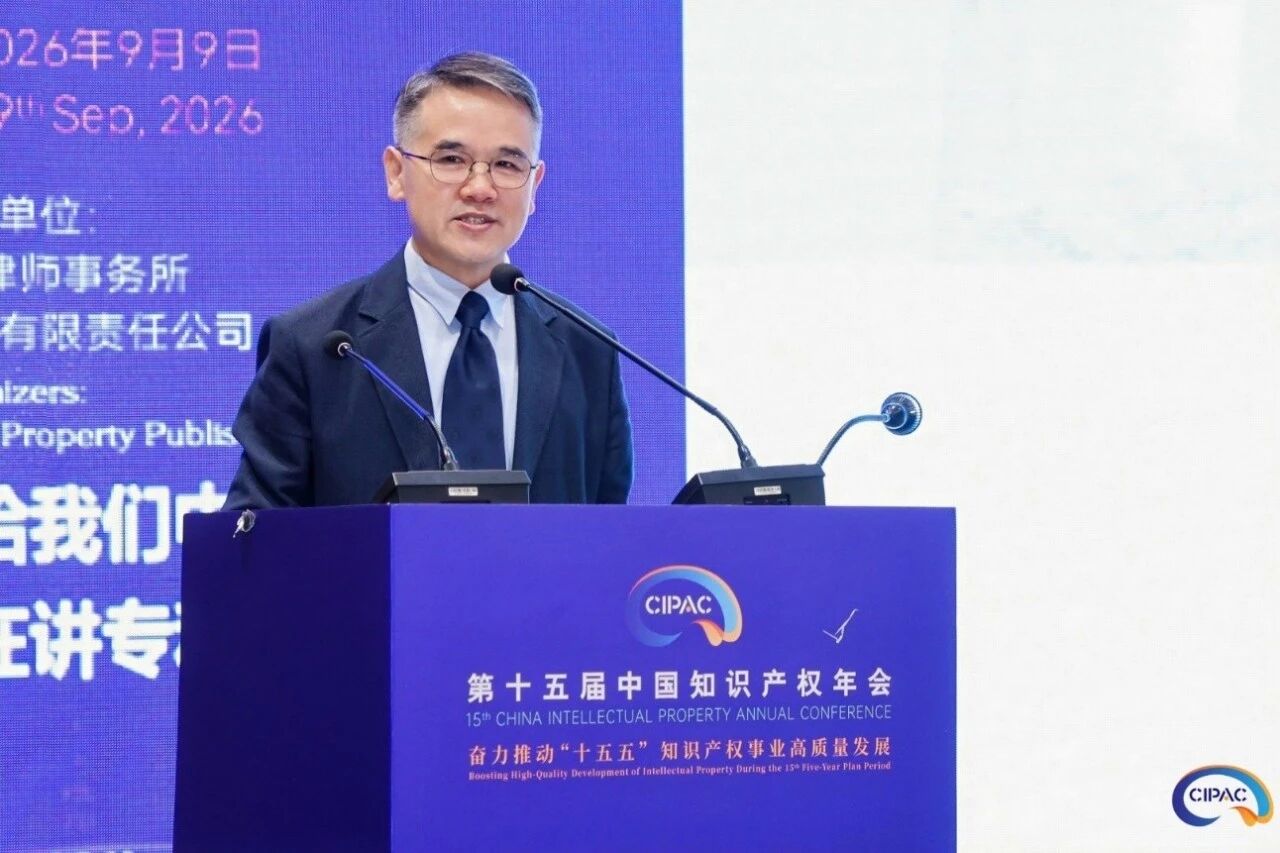
Professor ZHANG Guangliang, Vice Dean of the Law School of Renmin University of China and doctoral supervisor, delivered a keynote presentation entitled "New Judicial Approaches to Standard-Essential Patent Licensing Disputes". ZHANG proposed that, in many circumstances, disputes concerning SEPs should be characterized and addressed as contractual disputes. He examined the legal nature of fair, reasonable and non-discriminatory (FRAND) commitments as contracts for the benefit of third parties, together with pre-contractual obligations and liability arising from fault in contract negotiations (culpa in contrahendo). He further suggested that related proceedings could be consolidated where appropriate, jurisdiction could be designated when necessary, and actions concerning the determination of licensing rates should be given priority. ZHANG also addressed emerging legal issues involving anti-suit injunctions, interim measures for the preservation of conduct, limitations on permanent injunctive relief, and the enforceability of judgments determining global licensing rates.
Roundtable One: Frontier Issues in Intellectual Property Protection for Emerging Technologies
The first roundtable was moderated by ZHANG Xiang of Liu Shen. Panelists included BI Jiyu, Head of Intellectual Property at CALB; ZHENG Minjia, Intellectual Property Director for IBM Greater China; CHEN Jinlin, Partner at Liu Shen; and WANG Xiao, Partner at Liu Shen.
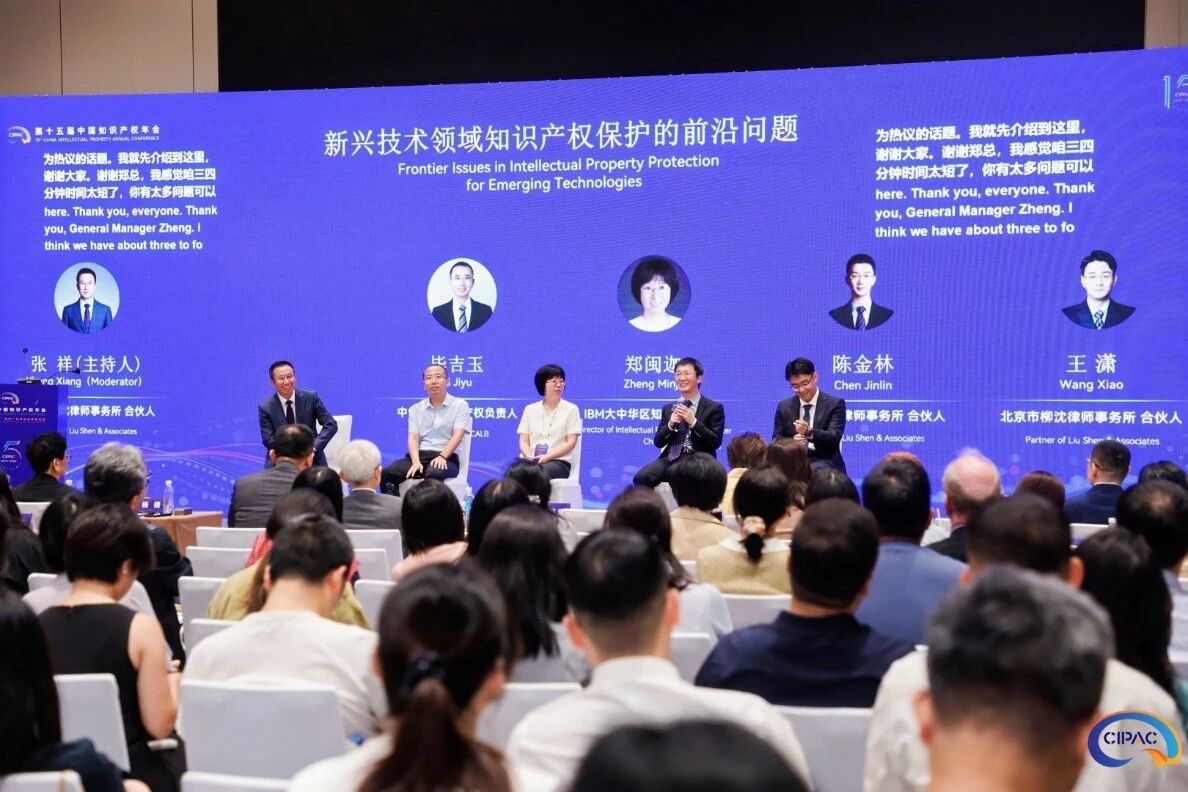
The discussion focused on practical challenges arising from rapid technological development, increasingly dense patent landscapes and the transmission of IP risks along industrial supply chains. Panelists noted that Chinese companies in sectors such as power batteries and energy storage have established significant advantages in global production capacity and market presence. Nevertheless, gaps remain in their international patent portfolios, exposing businesses to substantial freedom-to-operate (FTO) risks as they expand overseas. The discussion highlighted the importance of integrating patent portfolio planning into business development at an early stage. Companies were encouraged to align their filing strategies with target markets and adopt coordinated offensive and defensive approaches to building robust global patent portfolios.
In the areas of artificial intelligence, open-source technologies and data compliance, panelists observed that corporate IP management is evolving beyond a focus on individual patent rights towards a more integrated and sophisticated approach. Businesses must consider patent protection, copyright, trade secrets, data compliance and open-source licensing risks as interconnected components of their overall IP strategies. The panel emphasized the importance of clearly distinguishing between technologies suitable for patent protection and information better protected as trade secrets. Core manufacturing parameters, technical formulations and experimental data, for example, may be protected through trade secret mechanisms supported by comprehensive confidentiality controls, recordkeeping and traceability procedures. The discussion also addressed copyright issues arising from AI technologies, regulatory requirements governing cross-border data transfers, and potential copyleft obligations triggered by the development of derivative software based on open-source components. Given the lack of uniformity in legal and regulatory approaches across jurisdictions, panelists encouraged businesses to monitor developments continuously and adopt coordinated, risk-based compliance strategies.
Roundtable Two: From Europe to Southeast Asia: Patent Strategy and Risk Response in Enterprise Globalization
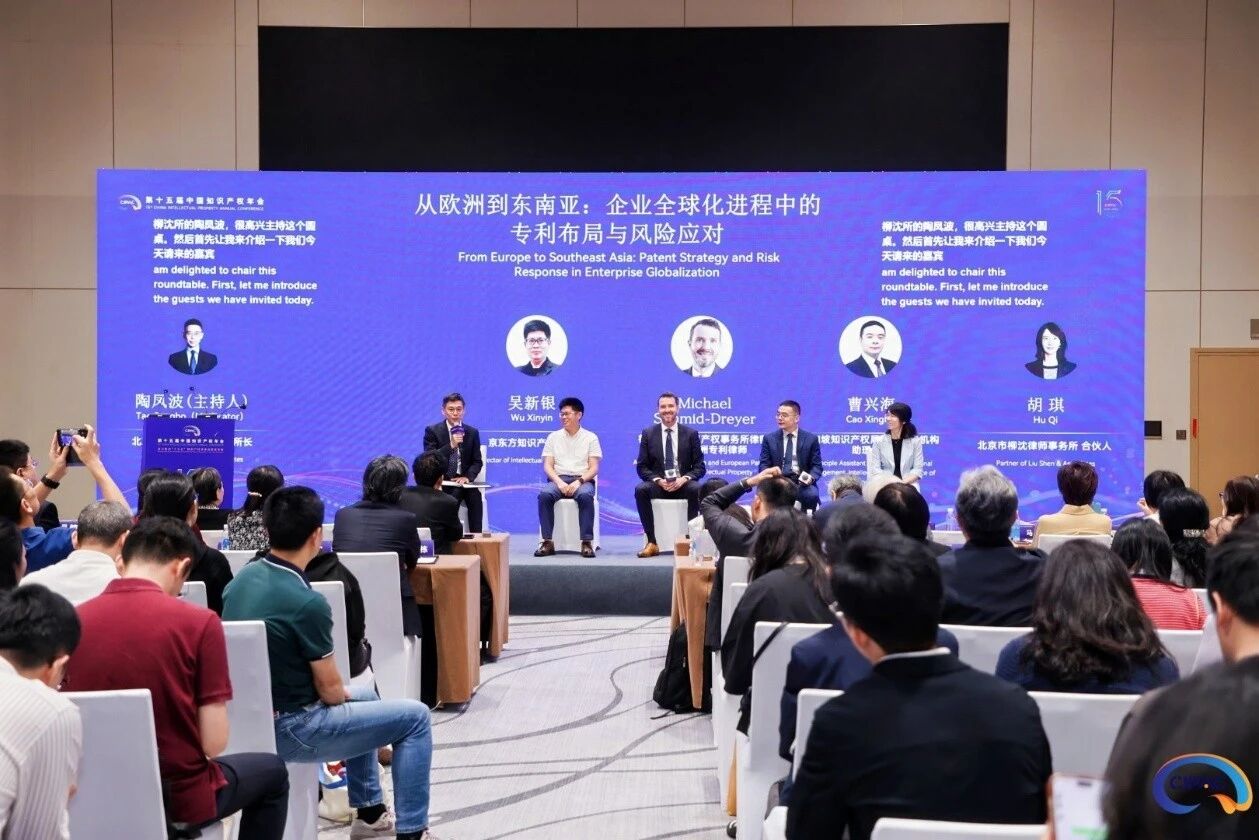
The second roundtable was moderated by TAO Fengbo, Director of Liu Shen. Panelists included WU Xinyin, Intellectual Property Director at BOE; Michael Schmid-Dreyer, Attorney at HKW Intellectual Property in Germany; CAO Xinghai of IPOS International in Singapore; and HU Qi, Partner at Liu Shen. The discussion explored global patent portfolio strategies, regional cooperation in patent examination, and practical approaches to managing overseas patent litigation.
Panelists observed that companies developing international patent portfolios typically assess several key factors, including the locations of target markets and manufacturing facilities, competitors' geographical presence, available budgets and the desired scope of global protection. They also emphasized the importance of addressing fundamental legal and procedural matters at an early stage, including chains of title, technology export compliance and inventorship. Deficiencies in these areas may have serious consequences if subsequently raised in overseas patent disputes. With respect to Europe, the panel discussed the range of available patent protection mechanisms, including Unitary Patents, conventional European patents validated in individual countries, German national patents and German utility models. These mechanisms may be combined to develop protection strategies tailored to different commercial objectives. The Unified Patent Court (UPC) and the German patent litigation system were also discussed as specialized and potentially effective avenues for enforcing patent rights, depending on the circumstances of each case.
Turning to regional patent cooperation, the panel examined how Singapore can serve as a strategic jurisdiction within broader international patent filing plans. Discussions covered accelerated examination programs administered by the Intellectual Property Office of Singapore (IPOS), the Global Patent Prosecution Highway (GPPH), and regional work-sharing mechanisms such as the ASEAN Patent Examination Co-operation (ASPEC) and ASPEC+. Panelists noted that these mechanisms can provide businesses with additional options for coordinating patent prosecution across jurisdictions, improving examination efficiency and enhancing the predictability of patent protection in Southeast Asian markets.
In discussing overseas patent litigation, panelists emphasized the important role that Chinese legal counsel can play in coordinating between corporate clients and foreign counsel. Chinese lawyers can assist businesses in clarifying technical facts, organizing evidence, interpreting advice from overseas counsel and translating legal assessments into actionable commercial decisions. The panel recommended that companies prepare for potential disputes well before litigation arises by establishing high-quality international patent portfolios, monitoring competitors' patent activities, tracking non-practicing entities (NPEs), and developing relationships with qualified foreign legal advisers. Once litigation is initiated, businesses should promptly establish a dedicated response team, assess the nature of the claimant, evaluate potential infringement exposure and patent validity, and prepare concise risk assessments for senior management. These measures can support timely, informed decision-making and help businesses avoid reactive or fragmented responses to overseas disputes.
Looking Ahead: Continuing the Commitment to Professional Excellence
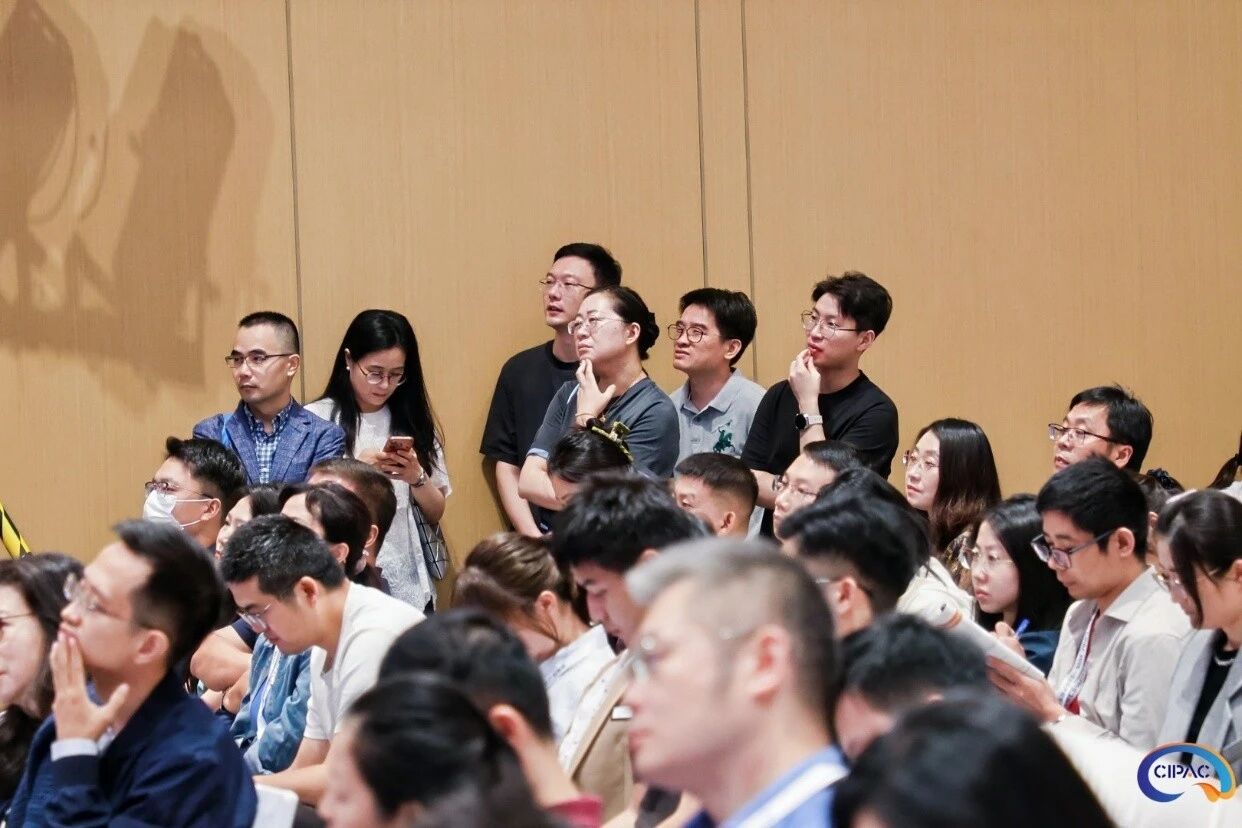
The Liu Shen special session concluded with productive discussions and exchanges among speakers, panelists and participants. The launch of Patent Practice Series: From Fundamentals to Advanced represents Liu Shen's commitment to sharing the knowledge and practical experience accumulated over more than three decades of professional practice. The two roundtables further provided opportunities for open dialogue with industry professionals on the evolving challenges of IP protection and international business expansion. The publication of the new series marks another milestone in Liu Shen's continued development. Looking ahead, Liu Shen remains committed to advancing its professional expertise, addressing increasingly complex intellectual property challenges, and delivering practical, forward-looking legal solutions that support client success and create lasting value.